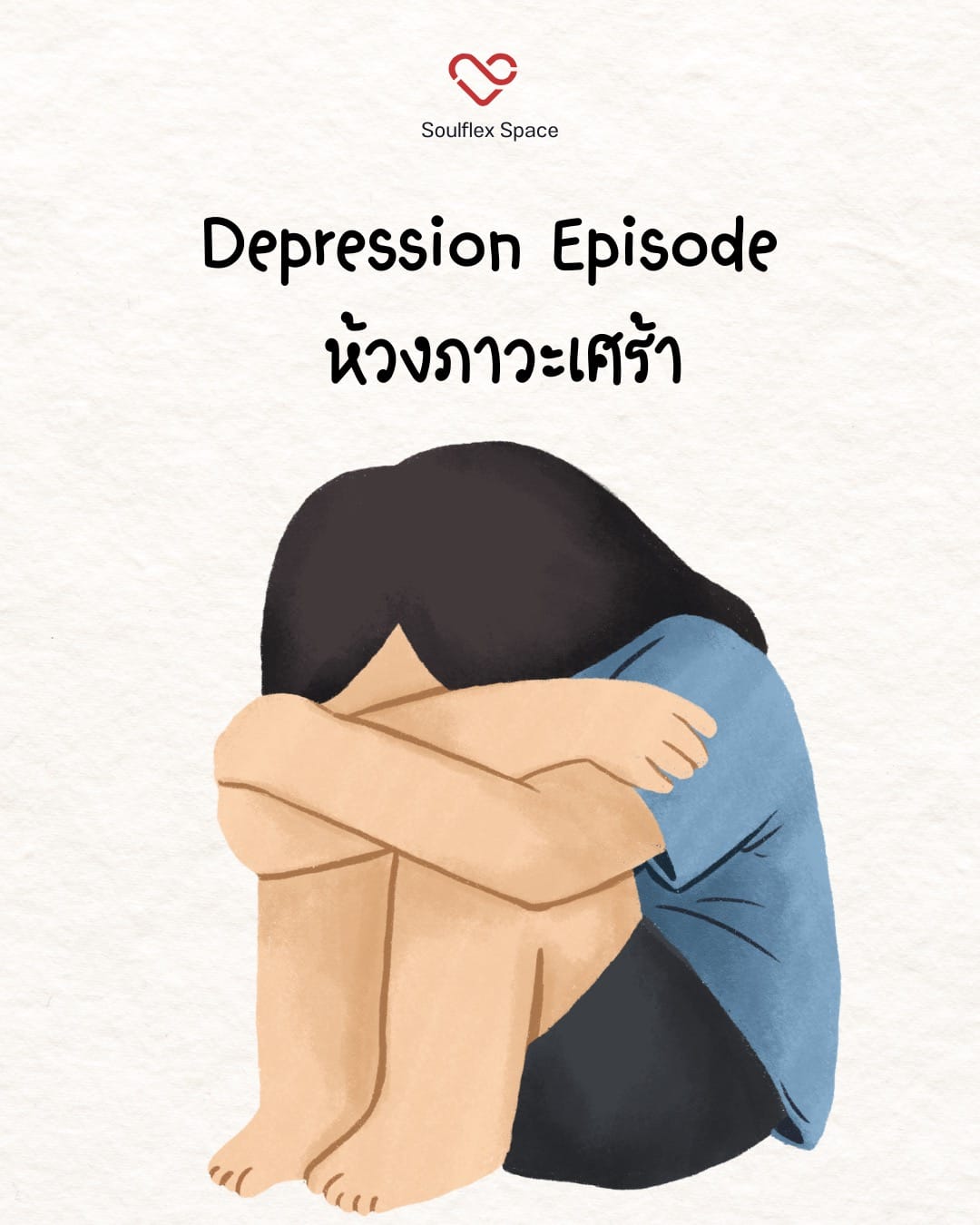

เคยไหมคะ ที่อยู่ดีๆ ความเศร้าก็ถาโถมเข้ามาเหมือนคลื่นลูกใหญ่ สิ่งที่เคยทำให้รู้สึกสดชื่นหรือมีชีวิตชีวา กลับเงียบหายไปอย่างไม่มีสัญญาณเตือน บางวันชีวิตที่เคยนิ่งๆ สงบ กลับเต็มไปด้วยความสับสน และความรู้สึกที่อธิบายไม่ถูก
หรือบางทีความรู้สึกเหล่านี้ไม่ได้มาแบบฉับพลัน แต่มันค่อยๆ แทรกเข้ามาทีละน้อย ผ่านความไม่สบายใจบางอย่าง ผ่านร่างกายที่อ่อนแรงกว่าปกติ ผ่านการตื่นมาแล้วรู้สึกว่า "ไม่มีแรงจะเริ่มต้นอะไรเลย"
และบางครั้ง แม้จะพยายามคิดบวก พยายามบอกตัวเองว่า "เดี๋ยวมันก็ดีขึ้น" ความรู้สึกไร้ค่า หรือความว่างเปล่าข้างในก็ยังคงอยู่
ห้วงภาวะซึมเศร้า (Depressive Episode) ไม่ได้หมายถึงแค่ "ความเศร้า" เพียงอย่างเดียว แต่มันอาจรวมถึงความรู้สึกหมดหวัง การไม่สามารถรู้สึกยินดีกับสิ่งที่เคยชอบ การไม่มีสมาธิ เหม่อลอยง่าย หรือความรู้สึกเหมือนกำลังโหยหาบางอย่างที่หายไปจากชีวิต
หลายคนอาจมีภาวะนี้เพียงครั้งเดียว แต่สำหรับอีกหลายคน มันอาจเกิดขึ้นซ้ำเป็นช่วงๆ และในช่วงเวลานั้น อาการอาจเกิดขึ้นแทบทุกวัน อยู่กับเราตลอดทั้งวันโดยที่เราไม่ได้ตั้งใจเลือกมัน
บางคนร้องไห้ง่าย บางคนหงุดหงิดกับเรื่องเล็กๆ มากกว่าปกติ บางคนไม่ได้ร้องไห้เลย แต่กลับรู้สึกว่างเปล่าจนเหมือนไม่เหลือความรู้สึกอะไร
สิ่งสำคัญคือ ภาวะเหล่านี้ไม่ได้แปลว่าคุณอ่อนแอ และไม่ได้หมายความว่าคุณ "พยายามไม่มากพอ" ค่ะ
ในช่วงที่ใจหนัก สิ่งที่ทำได้คือ การยังไม่ตัดสินใจอะไรใหญ่ๆ บางครั้งการดูแลตัวเองอาจเริ่มจากเรื่องเล็กๆ เท่านั้นเพื่อประคองให้ห้วงภาวะผ่านไป
- ลองทำกิจกรรมที่เคยทำแล้วรู้สึกดี แม้จะยังไม่รู้สึกสนุกเหมือนเดิม
- พยายามไม่ตัดตัวเองออกจากผู้คนที่ไว้ใจได้
- ขยับร่างกายเบาๆ แม้จะเป็นเพียงการเดินสั้นๆ
- ดูแลการกินและการนอนให้สม่ำเสมอเท่าที่ทำได้
- หลีกเลี่ยงการใช้แอลกอฮอล์หรือสารเสพติดเพื่อกดความรู้สึก
- ลองใช้ mood tracker หรือเขียนบันทึกอารมณ์ในแต่ละวัน — ด้วยแอปอย่าง Mood Daily
- และถ้าไหว ลองพูดคุยกับใครสักคนเกี่ยวกับสิ่งที่กำลังรู้สึก
บางครั้ง เราไม่จำเป็นต้อง "จัดการทุกอย่างให้ได้ทันที" แค่ค่อยๆ ประคองตัวเองผ่านวันยากๆ ไปทีละวัน ก็ถือว่าเก่งมากแล้ว
และหากวันไหนความรู้สึกหนักหนาจนเริ่มมีความคิดอยากหายไปจากโลกนี้ อยากให้จำไว้ว่า คุณไม่จำเป็นต้องอยู่กับมันเพียงลำพัง
การขอความช่วยเหลือ การพูดกับคนที่ไว้ใจ หรือการพบผู้เชี่ยวชาญด้านสุขภาพจิต ไม่ใช่ความล้มเหลว แต่เป็นรูปแบบหนึ่งของการดูแลตัวเอง
บางครั้ง การมีใครสักคนอยู่ข้างๆ ในช่วงเวลาที่ยากที่สุด อาจเป็นจุดเริ่มต้นเล็กๆ ของการกลับมารู้สึกมีชีวิตอีกครั้ง
Have you ever felt sadness suddenly rush in like a wave? Things that once felt comforting or enjoyable become quiet and distant. A life that once felt stable starts to feel confusing.
Sometimes the heaviness comes slowly…through exhaustion, loss of energy, or a feeling that something inside you is not okay. And no matter how hard you try to think positively, the feeling of emptiness or worthlessness still stays.
A depressive episode is more than just "feeling sad." It can include hopelessness, emotional numbness, difficulty concentrating, or losing interest in things you used to enjoy.
Some people describe it as feeling disconnected from themselves. Some feel emotionally overwhelmed. Others feel almost nothing at all.
Depression can happen only once in a person's life, but for many people, it comes in episodes that return over time. During these periods, symptoms may happen most of the day, nearly every day.
You may notice:
- feeling sad, empty, or hopeless
- crying more easily
- feeling irritated or frustrated over small things
- having low energy or trouble getting out of bed
- struggling to focus
- losing joy in activities you once liked
- feeling distant from people around you
These experiences do not mean you are weak. And they do not mean you are "not trying hard enough."
When your mind feels heavy, small steps still matter. You can try to:
- keep doing simple activities you used to enjoy
- stay connected to trusted friends or family
- move your body gently, even with a short walk
- keep regular eating and sleeping routines as much as possible
- avoid alcohol or drugs that may worsen depression
- talk to someone you trust about how you feel
- use a mood tracker or journal to record your emotions each day — such as Mood Daily
- seek support from a healthcare professional or counsellor
You do not have to fix everything at once. Sometimes getting through one difficult day is already enough.
And if your pain becomes so overwhelming that you start having thoughts of suicide, please remember that you do not have to go through it alone. Reach out to someone you trust. Talk to a doctor, counsellor, or mental health professional.
Even when it feels impossible to imagine right now, support and help do exist — and you deserve access to them.